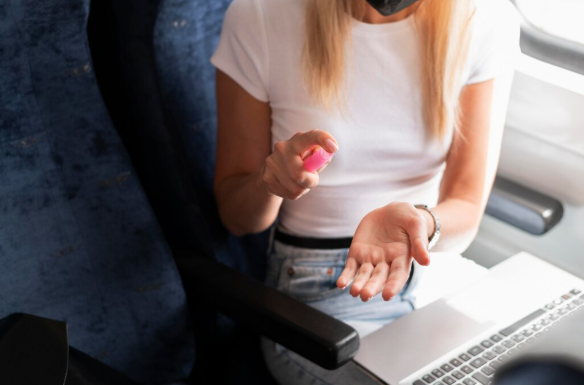
Travelers often wonder can you bring sunscreen on a plane when preparing for a vacation, especially when traveling to sunny destinations. The good news is that sunscreen is generally permitted on airplanes, but the rules can depend on whether you pack it in your carry-on or checked luggage. Understanding liquid restrictions, container sizes, and special types of sunscreen can help you get through airport security without unnecessary delays.
Can You Bring Sunscreen in Your Carry-On?
Yes, sunscreen can generally be packed in your carry-on luggage. However, liquid, gel, cream, lotion, and spray sunscreens are subject to airport security rules governing liquids.
For flights departing from airports that follow the U.S. TSA rules, sunscreen containers in carry-on bags generally need to follow the 3-1-1 liquids rule.
This means:
- Each container should hold no more than 3.4 ounces (100 milliliters).
- Containers should fit within one quart-sized clear plastic bag.
- Each passenger is generally allowed one such liquids bag.
- Larger containers should generally go in checked baggage.
The important point is that the rule applies to the container’s capacity, not simply how much sunscreen remains inside.
For example, a 6-ounce bottle containing only 2 ounces of sunscreen may still not meet the standard carry-on liquid requirement.
What Types of Sunscreen Can You Take?
Sunscreen comes in several forms, and most common varieties can be transported by air.
Lotion Sunscreen
Traditional lotion sunscreen is treated as a liquid or lotion for airport security purposes. If you are putting it in your carry-on, use a travel-sized container that meets the applicable liquid limit.
Spray Sunscreen
Aerosol and pump sprays can be subject to additional restrictions. For carry-on travel, the container must generally comply with applicable liquid and aerosol rules.
Check the airline and departure airport requirements before traveling with a large aerosol sunscreen.
Sunscreen Stick
Solid sunscreen sticks are particularly convenient for carry-on travel because they generally do not create the same liquid-container issue as lotions and sprays.
A stick can be a practical choice if you want sunscreen readily available during a flight or while sightseeing.
Sunscreen Powder
Powder-based sunscreen may be treated differently from liquid products. If you’re traveling internationally, check the rules at your departure and arrival airports because screening procedures can vary.
Can You Pack Full-Size Sunscreen?
Yes, but where you put it matters.
A full-size bottle is generally better suited to checked luggage if it exceeds the permitted carry-on liquid-container size.
| Sunscreen Type | Carry-On Consideration | Checked Bag |
|---|---|---|
| Lotion | Usually limited by liquid rules | Generally suitable |
| Cream | Usually limited by liquid rules | Generally suitable |
| Gel | Usually limited by liquid rules | Generally suitable |
| Spray | Subject to liquid/aerosol rules | Generally suitable within applicable limits |
| Stick | Usually convenient for carry-on | Suitable |
| Powder | May have different screening rules | Suitable |
Always check the current requirements for your specific departure airport because aviation security procedures can differ between countries.
Can You Put Sunscreen in Checked Luggage?

Generally, yes. Checked luggage is the easiest option for larger sunscreen containers.
If you are taking a two-week beach vacation and want to bring a family-sized bottle, packing it in checked luggage can be more convenient than trying to fit it into your carry-on liquids bag.
However, aerosol products can have additional quantity and packaging restrictions. Keep the original packaging when possible and check the applicable airline and aviation safety requirements.
How Much Sunscreen Should You Pack?
The amount depends on your destination, trip length, activities, and how often you apply it.
For a short city trip, a small travel-size container may be enough. For a beach vacation or outdoor adventure, you may need significantly more.
Remember that sunscreen needs to be reapplied regularly, particularly after swimming, sweating, or prolonged outdoor activity.
A useful approach is to carry a small amount in your hand luggage for immediate use and place additional supplies in checked luggage when appropriate.
Tips for Packing Sunscreen in Your Carry-On
A little preparation can make airport screening easier.
Use Travel-Size Containers
If you are using lotion or cream sunscreen, choose a container that meets the applicable carry-on size requirement.
Travel-size products are easier to fit into your liquids bag.
Keep Liquids Accessible
Place your sunscreen and other liquid products where you can easily remove them if security personnel ask you to present them separately.
Avoid burying them underneath clothing or electronics.
Consider a Sunscreen Stick
A sunscreen stick can be convenient when traveling because it is compact and easy to access.
It can also reduce the number of liquid products competing for limited space in your liquids bag.
Keep the Original Label
Keeping sunscreen in its original packaging can make it easier to identify during screening.
If you transfer sunscreen into another container, make sure the container is clearly labeled when practical.
International Flights and Sunscreen Rules
International travel can be more complicated because liquid restrictions and security procedures are not identical everywhere.
For example, the airport where you depart may have one screening procedure, while another airport uses a different approach.
If you have a connecting flight, you may need to go through security again. This can matter if you purchased sunscreen or other liquids after passing through security.
When traveling internationally:
- Check the rules for your departure airport.
- Check the rules for connecting airports.
- Check your airline’s baggage requirements.
- Keep larger liquid containers in checked luggage when appropriate.
- Allow extra time for security screening.
What About Sunscreen Purchased at the Airport?
Sunscreen purchased after security may sometimes be permitted even when the container exceeds the standard carry-on liquid limit, depending on where it was purchased and how it is packaged.
Duty-free liquids are often handled under specific security procedures. Keep the product sealed in the security bag provided by the retailer and retain your receipt when applicable.
If you have a connection where you must pass through security again, do not assume that every airport will treat the purchase identically.
Sunscreen and TSA PreCheck
If you are eligible for TSA PreCheck, the screening process can be different from standard screening, but liquid restrictions still apply.
Do not assume that a larger sunscreen container is automatically permitted simply because you have expedited screening access.
Follow the instructions provided at your departure airport.
What Happens if Your Sunscreen Is Too Large?
If security determines that your sunscreen does not meet carry-on requirements, you may be required to remove it from your bag.
Depending on the circumstances, you may have several options, such as:
- Placing it in checked luggage if available
- Returning it to your vehicle
- Giving it to a travel companion
- Discarding it
For this reason, checking the size of your sunscreen before leaving for the airport is much easier than dealing with the problem at the security checkpoint.
Sunscreen for Babies and Children
Families may need to pack additional sunscreen when traveling with children.
Because children can spend considerable time outdoors during vacations, bringing adequate sun protection is important.
If you are carrying liquid sunscreen for a child, check the applicable airport security rules before packing it. Depending on the circumstances, certain medically necessary liquids may receive different treatment, but travelers should be prepared to declare them for screening.
Parents may also find sunscreen sticks convenient because they are easy to apply and carry during outings.
Other Sun-Protection Items to Pack
Sunscreen is only one part of protecting yourself from excessive sun exposure.
Depending on your destination, consider bringing:
- Sunglasses
- A wide-brimmed hat
- Lightweight clothing
- A beach cover-up
- Lip balm with sun protection
- An umbrella or sun shelter
- Reusable water bottles
For outdoor vacations, planning for shade can be just as useful as applying sunscreen.
Common Mistakes to Avoid
Packing a Large Bottle in Your Carry-On
A large bottle may exceed the applicable liquid-container limit even if it is only partially full.
Forgetting About Connecting Flights
A sunscreen bottle that passes through one airport may still be subject to additional screening during a connection.
Mixing Liquids Without Checking the Rules
Shampoo, conditioner, moisturizer, sunscreen, toothpaste, and other products can quickly fill your liquids allowance.
Leaving Sunscreen Unprotected in Checked Bags
A bottle can leak because of pressure changes, rough handling, or a loose cap. Place larger sunscreen containers inside a sealed plastic bag for additional protection.
Key Points to Remember

- Sunscreen is generally permitted on airplanes.
- Carry-on sunscreen is subject to applicable liquid and aerosol restrictions.
- Larger containers are generally more appropriate for checked luggage.
- Sunscreen sticks can be a convenient carry-on option.
- Aerosol products may have additional restrictions.
- International airports can have different screening procedures.
- Check connecting-airport requirements when traveling internationally.
- Keep sunscreen accessible during security screening.
- Protect larger bottles from leaks inside checked luggage.
- Always check current airport and airline requirements before departure.
Final Thoughts
Bringing sunscreen on a flight is generally straightforward as long as you pack it according to the applicable security rules. Small lotion, cream, or gel containers can usually be included with your carry-on liquids, while larger bottles are generally better placed in checked luggage.
For travelers who want convenience, sunscreen sticks can be an excellent option because they are compact and easy to carry. Spray products require a little more attention because aerosol rules can apply.
Before your trip, check the current requirements for your departure and connecting airports. A few minutes of preparation can prevent delays at security and ensure you have the sun protection you need when you arrive.
Frequently Asked Questions
1. Can I bring sunscreen in my carry-on bag?
Yes. Sunscreen can generally be carried onto a plane, but lotion, cream, gel, and spray products may need to comply with the applicable liquid restrictions.
2. Can I bring a full-size bottle of sunscreen on a plane?
A full-size bottle may be too large for a carry-on if it exceeds the applicable liquid-container limit. Larger bottles are generally better packed in checked luggage.
3. Is sunscreen stick allowed in carry-on luggage?
Sunscreen sticks are generally convenient for carry-on travel because they are solid rather than liquid. However, travelers should still follow the security rules at their departure airport.
4. Can sunscreen go in checked baggage?
Yes, sunscreen can generally be packed in checked luggage. Larger containers are often more convenient there, although aerosol products may have additional quantity restrictions.
5. Should I bring sunscreen when traveling internationally?
Yes. If you are traveling somewhere with significant sun exposure, sunscreen can be an important part of your travel packing list. Check the airport security rules for every airport involved in your journey.

One thought on “Can You Bring Sunscreen on a Plane? TSA Rules, Tips, and Travel Guidelines”